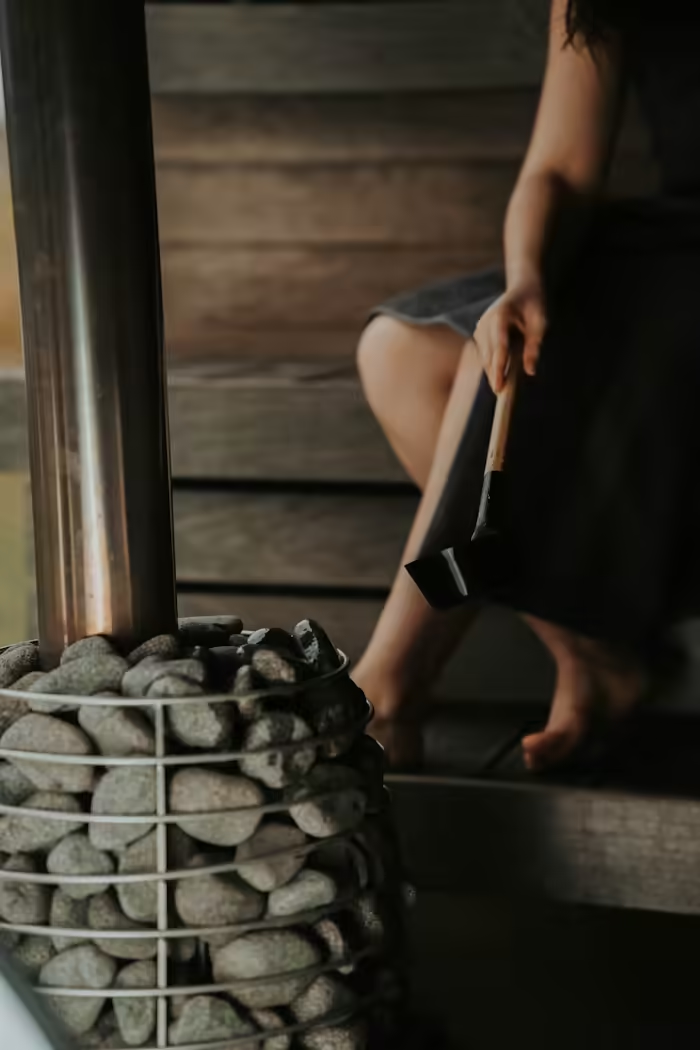
Designing for Long-Term Living
In a culture driven by speed, convenience, and short-term gains, design often follows suit—favoring trends over longevity and quick fixes over thoughtful planning. But as the pace of life accelerates, a quiet shift is emerging: a desire to create spaces, systems, and lifestyles that are built to last. Designing for long-term living isn’t just about durability; it’s about intention, adaptability, and sustainability.
Beyond Aesthetics: Designing with Purpose
Good design has always been about more than how something looks. When we think long-term, design becomes a tool for supporting how we live, grow, and change over time. Whether it’s a home, a workspace, or even a daily routine, thoughtful design anticipates future needs instead of reacting to immediate wants.
This means choosing function alongside form—layouts that evolve with life stages, furniture that adapts to different uses, and environments that promote comfort and well-being for years, not just seasons.
Flexibility is the New Luxury
One of the most valuable principles in long-term design is flexibility. Life is unpredictable: families grow, careers shift, and priorities change. Spaces that can transform—like a guest room that doubles as an office, or modular furniture that can be reconfigured—extend their usefulness and reduce the need for constant reinvention.
Designing with flexibility in mind also reduces waste. Instead of discarding and replacing, we adjust and reuse. This not only saves resources but also creates a deeper sense of continuity in our surroundings.
Materials That Age Gracefully
Fast design often prioritizes cost and appearance over quality, leading to spaces that quickly wear out or fall out of style. In contrast, long-term living values materials that endure—both physically and aesthetically.
Natural materials like wood, stone, and metal often age with character, telling a story over time rather than deteriorating. Investing in quality upfront may cost more initially, but it pays off through reduced maintenance, fewer replacements, and a lasting sense of integrity.
Sustainability as a Foundation
Designing for the long term naturally aligns with sustainable thinking. Energy-efficient systems, passive design strategies, and environmentally responsible materials all contribute to reducing long-term impact.
But sustainability isn’t only about the environment—it’s also about creating spaces that support human health. Good ventilation, natural light, and non-toxic materials contribute to a living environment that nurtures well-being over decades.
Emotional Longevity
A truly lasting design isn’t just functional—it’s meaningful. Spaces that reflect personal values, memories, and identity are less likely to feel outdated or disposable. Instead of constantly chasing new trends, long-term design encourages us to build environments that we can grow with.
This might mean incorporating heirloom pieces, displaying meaningful objects, or simply choosing designs that resonate on a deeper level rather than following what’s currently popular.
Designing Systems, Not Just Spaces
Long-term living extends beyond physical environments. It also includes the systems and habits that shape our daily lives. From how we organize our time to how we manage resources, thoughtful design can create rhythms that are sustainable and supportive.
Simple systems—like organized storage, efficient workflows, or routines that reduce decision fatigue—make everyday life smoother and more manageable over time.
The Value of Slowing Down
Designing for longevity requires patience. It asks us to slow down, consider our choices carefully, and resist the urge for instant gratification. While this approach may feel countercultural, it ultimately leads to more satisfying and enduring results.
When we design with the long term in mind, we create not just for who we are today, but for who we are becoming.
Final Thoughts
Designing for long-term living is about creating with intention—balancing beauty, function, and sustainability in a way that supports life over time. It’s an investment in stability, comfort, and meaning.
In the end, the goal isn’t just to build or decorate a space. It’s to shape an environment that evolves with you, supports your well-being, and stands the test of time.